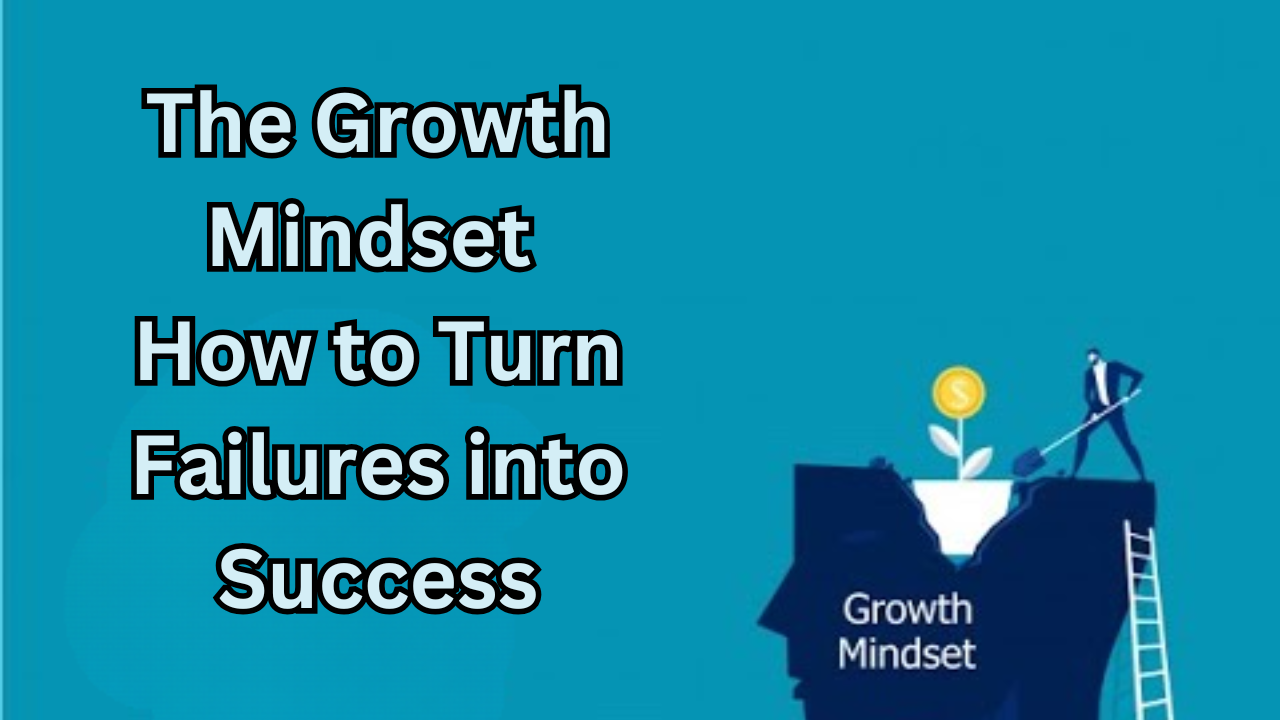
Failure is a natural part of life. Progress or stagnation however can be determined by how we view and react to it. A growth mindset is a potent tool that can change our perspective. The growth mindset which was coined by psychologist Carol Dweck is the conviction that we can improve our skills intelligence and abilities by working hard learning new things and enduring. We can use failures as stepping stones to success if we adopt this mindset.
What Is a Growth Mindset?
Fundamentally a growth mindset is very different from a fixed mindset. The belief that one’s traits are unalterable and static causes people with a fixed mindset to shy away from challenges and fear failure. Growth-minded people on the other hand see obstacles as chances to grow and learn. They recognize that failure is a normal aspect of learning and not the end.
For example, consider some of the most prosperous people in history. Regarding his efforts to develop the lightbulb, Thomas Edison famously said I have not failed. I have discovered ten thousand ineffective methods. An ideal illustration of a growth mindset in action is this viewpoint. Edison saw failure as a chance to improve his strategies and ultimately achieve success rather than as a sign of incapacity.
Embracing Failure as a Teacher:
Although it can be one of life’s best teachers failure frequently feels like a setback. The secret is to change your mindset and accept failure as a teaching opportunity. You can turn failure into a teaching moment by asking yourself what went wrong and what you can do better the next time.
For example Michael Jordan. Regarded by many as one of the greatest basketball players of all time he once declared Over 9000 shots have been missed during my career. I have dropped nearly 300 games. I have missed the game-winning shot 26 times when I was trusted to make it. Throughout my life, I have repeatedly failed. And for that reason I am successful. Jordan refused to let failure define who he was. Instead, he took it as inspiration to get better and put in more effort.
Steps to Cultivate a Growth Mindset:
A growth mindset takes deliberate work to cultivate. Here are a few doable actions to help you accept failure and use it to your advantage:
1. Reframe Your Thoughts About Failure:
Instead of viewing failure as a bad thing consider it a chance to improve. Keep in mind that every error you make will help you get better. For instance, examine what went wrong and how you can do better the next time if you didn’t complete a project well.
2. Embrace Challenges:
Obstacles are a necessary component of development. Instead of avoiding challenging tasks take them on head-on. They encourage you to venture beyond your comfort zone and show you your true potential.
3. Adopt a “Yet” Mentality:
Incorporate the word yet into your thoughts whenever you come across a skill or idea that you are still learning. For example, state I’m not good at math yet rather than I’m not good at math. This small change in wording supports the idea that you can get better with practice and time.
4. Seek Feedback and Act on It:
Growth greatly benefits from constructive criticism. Take criticism as a chance to grow rather than something to be afraid of. Seek feedback from others and tweak your strategy accordingly.
5. Celebrate Effort, Not Just Outcomes:
A growth mindset is more concerned with the process than with the result. Celebrate and acknowledge your efforts even if the results aren’t flawless. This reaffirms the importance of perseverance and diligence.
Turning Failure into Success:
A growth mindset’s capacity to transform perceived setbacks into victories is among its most motivating features. Take J. K. Rowling as a well-known author of the Harry Potter series. Before her fame, Rowling endured personal struggles and multiple publisher rejections. She persevered perfecting her craft and having faith in her vision instead of giving up. Her perseverance has paid off and millions of people around the world have been inspired by her books.
Oprah Winfrey is another example despite early career setbacks such as being told she was unfit for television she went on to become a media mogul and a worldwide celebrity. These anecdotes demonstrate that obstacles are merely a detour on the path to better opportunities.
The Science Behind a Growth Mindset:
The transformational potential of a growth mindset is supported by research. According to studies people who adopt this mindset are more likely to succeed are more resilient and are better at solving problems. Focusing on learning and development helps our brains create new neural connections which strengthens our capacity to overcome obstacles and learn new skills.
Developing a growth mindset can also enhance mental health. Seeing failures as temporary and manageable helps we feel less stressed and more confident in our skills. Relationships and professional development are two more areas of our lives that are impacted by this optimistic mindset.
Final Thoughts:
Failures are opportunities for growth, not obstacles. Developing a growth mindset can change how you respond to opportunities obstacles and setbacks. Keep in mind that every misstep is an opportunity to grow and learn. Avoiding failure is not the key to success rather you must accept it grow from it and use it to drive your progress.
With a growth mindset, you’ll discover that even failures can lead to extraordinary success. Therefore the next time you encounter a setback ask yourself: What can I learn from this? How can I use this experience to become better?
